
Discover Science Through Music
Concerts
2026/27 Season
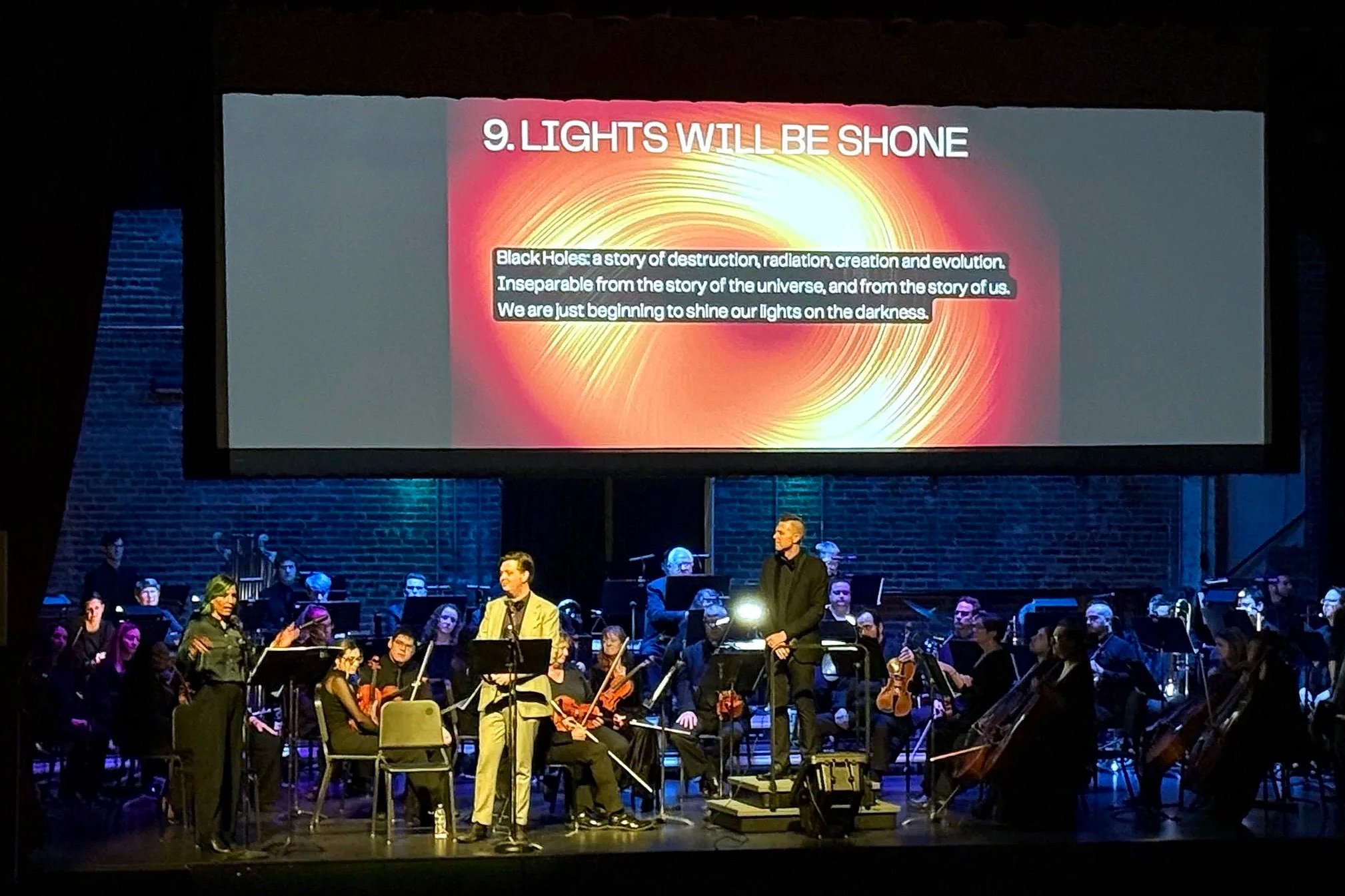
Dreamweaver
October 15th, 7pm
American Contemporary Classical Orchestra
Miracle Theater
Washington, DC 20003
This fall, we partner with the American Contemporary Classical Orchestra, Pro Coro from the Alexandria Choral Society for a concert of strings and choir. Ola Gjeilo’s luminous contemporary masterpiece Dreamweaver will be joined by the world premiere of Event Horizon Overture by David Ibbett - celebrating the taking of the first picture of a black hole M87.
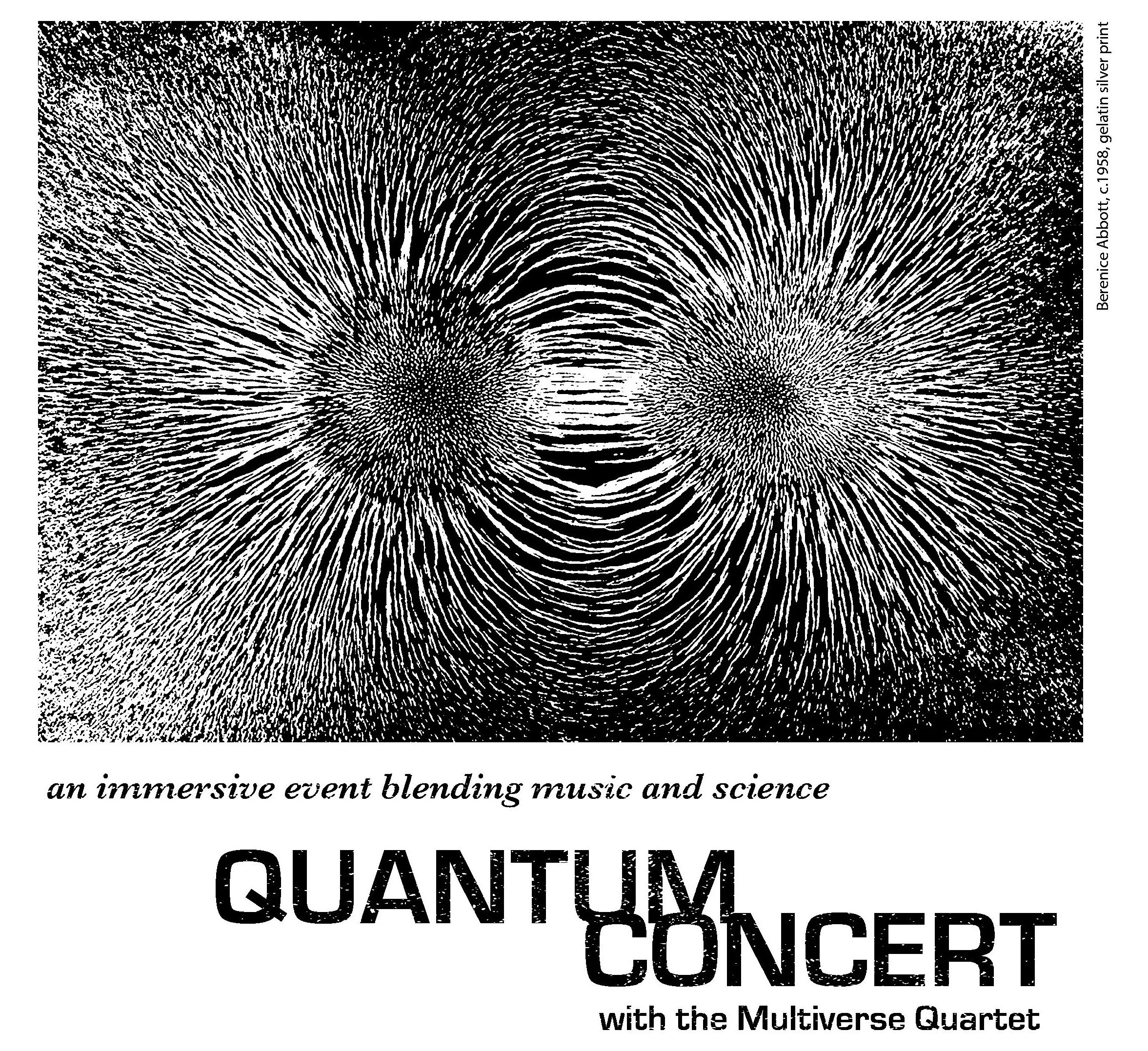
Quantum Concert
November 6th, 7:00pm
Thomas Tull Auditorium, MIT
Experience Quantum Concert!
Join David I. Kaiser, Professor of Physics, author, and Germeshausen Professor of the History of Science at M.I.T. as he shares his work on The Cosmic Bell Test and the origin of structure in our universe. Audiences will be invited to join in the excitement of his groundbreaking Cosmic Bell Experiment, which uses light from ancient quasars to test quantum theory. New music for string quartet by Berklee Composer Spencer Bambrick will be performed live, sounding quantum behaviors and dramatizing the Cosmic Bell Experiment. Each piece explores a different aspect of quantum physics, from Heisenberg’s thoughts on the beauty of the mathematics, all the way to the Big Bang and the large-scale structure of our universe.
All original music performed by the Multiverse Quartet.
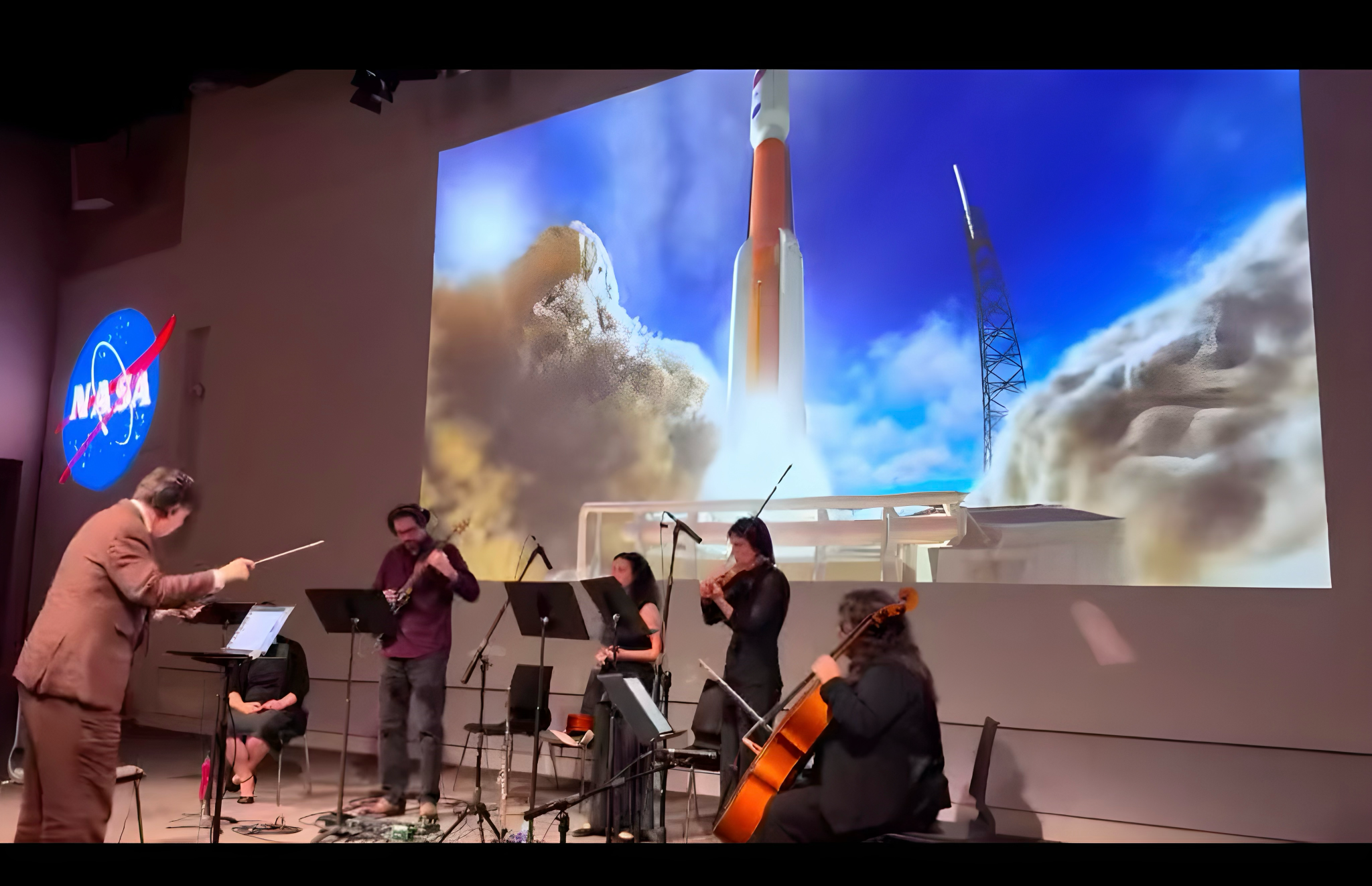
Mars Symphony
December 5th, 7:00pm
Harvard Science Center Hall B
Created in collaboration with NASA JPL and the Museum of Science, Boston, Mars Symphony reveals the music of Mars in a groundbreaking experience with live orchestra, immersive sound and visuals.
Immerse yourself in the real sounds of Mars’ winds, dust devils and seismic rumbles as recorded by the Perseverance Rover, joined by orchestral melodies that trace the topography of the Red Planet and stunning original visuals from the Charles Hayden Planetarium. As with every Multiverse collaboration, the show is informed by a robust science team. Mars Symphony was created in collaboration with NASA JPL, WPI, the Center for Astrophysics | Harvard & Smithsonian and ETH Zurich, incorporating cutting-edge research and audio from the Perseverance Rover and Webb Space Telescope. The piece features narration by JPL Director Laurie Leshin.
Featuring guest speakers from the Center for Astrophysics | Harvard & Smithsonian.
“When... David Ibbett visualizes the terrain of Mars, he hears a full symphony.
”
Multiverse Institutional Backers